
Yes, adding attic insulation can significantly reduce the temperature difference between floors in your home. When your attic lacks adequate insulation, heat escapes in winter and builds up in summer, making upper floors uncomfortable. Improving insulation helps stabilize temperatures throughout the house.
A homeowner near Bedford, OH recently called us with a familiar situation. Their two-story colonial had always run warmer upstairs in summer and colder in winter. They had been told before that their attic was under-insulated, and they wanted to finally find out if more insulation would actually help. We hear this question a lot, and the honest answer is: it often makes a bigger difference than homeowners expect.
At Mighty Ducts, we work with homeowners across the greater Cleveland area to diagnose and fix exactly these kinds of comfort problems. Here is what you need to know.
Why Does the Second Floor Feel So Much Warmer or Colder Than the First?
The second floor is closer to the attic, which means it is the first place to feel the effects of a poorly insulated roof. In summer, radiant heat from the sun beats down on your roof and transfers into your living space from above. In winter, warm air naturally rises, hits an under-insulated attic, and escapes outside. Either way, your upper floors are absorbing the brunt of it.
For a colonial-style home, this effect is especially common. The second floor sits directly beneath the attic with no buffer. The first floor has the ground and basement acting as natural thermal barriers, which is why it tends to stay more stable year-round.
How Does Attic Insulation Actually Help Even Out Temperatures?
Insulation slows the transfer of heat between your attic and your living space, which helps keep each floor at a more consistent temperature. When you bring attic insulation up to the right level, you create a thermal barrier that stops the attic from acting like a heat sink in summer or a heat drain in winter.
Most older homes in northeast Ohio were built with insulation levels that no longer meet current energy standards. If your attic has less than the recommended depth of insulation, your HVAC system has to work harder to compensate, and it still may never fully catch up. That is why the second floor stays uncomfortable even with the thermostat cranked.
Our residential insulation services include a thorough evaluation of what you currently have and what you actually need, so you are not guessing.
Is Insulation the Only Thing That Affects Floor-to-Floor Temperature Differences?
Not always. Insulation is often the biggest factor, but duct performance can also play a major role. If your ducts are leaking conditioned air into unconditioned spaces, or if airflow to your second floor is restricted, even great insulation will not fully solve the problem.
A few other things worth checking:
- Air sealing around attic penetrations like light fixtures and plumbing chases
- Whether supply and return vents on the second floor are sized and positioned correctly
- The condition and sealing of your ductwork throughout the home
If duct leakage is part of the problem, our team can walk you through what we find. Learn more about our process and approach to see how we evaluate the full picture before recommending any work.
Frequently Asked Questions
How do I know if my attic has enough insulation?
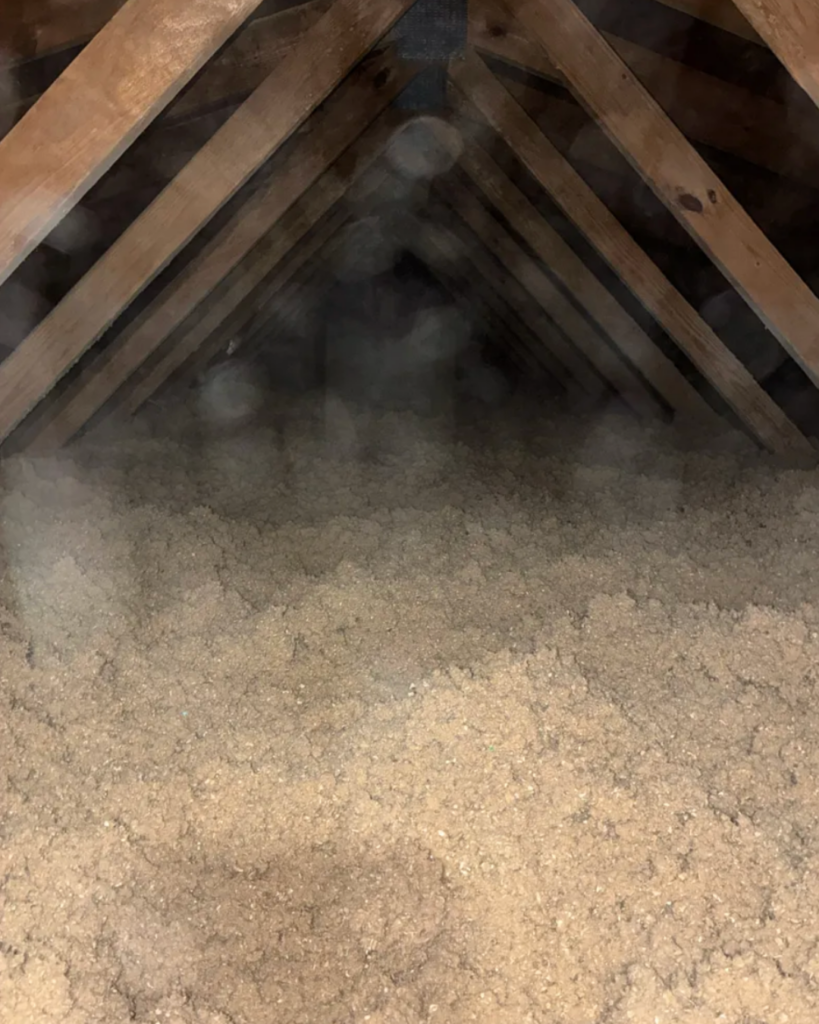
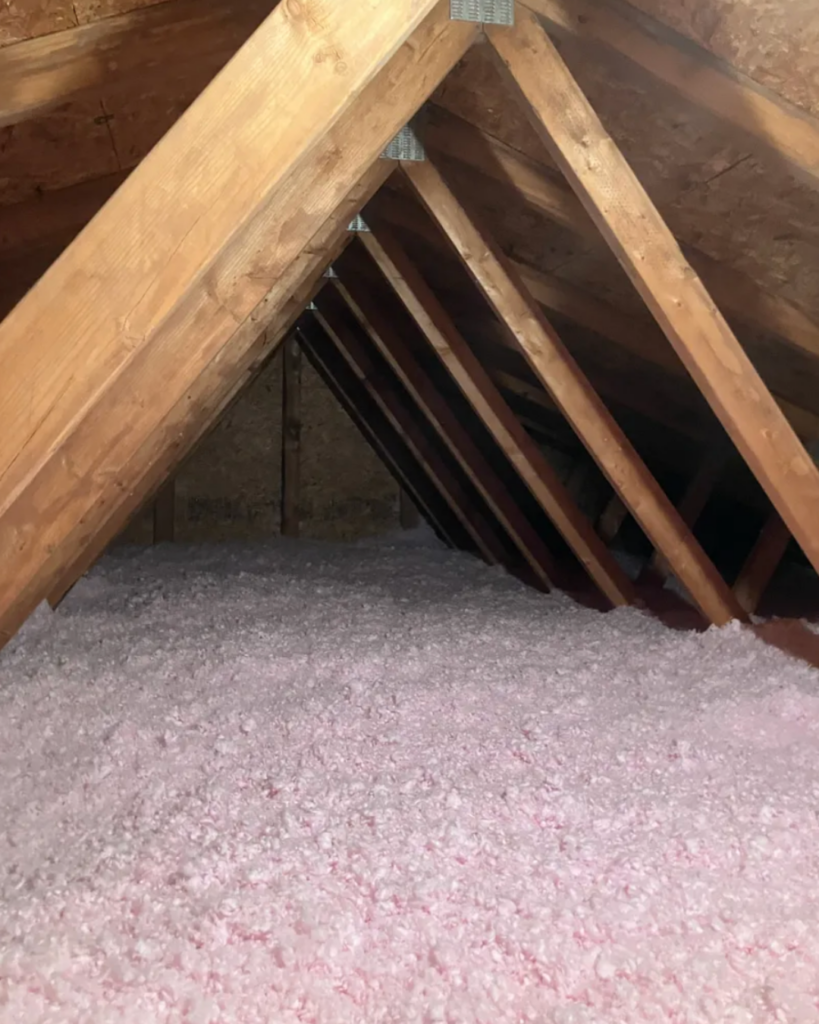
The easiest way is to have a professional measure it during an in-home estimate. As a general rule, if you can see the tops of your attic floor joists, you almost certainly need more. Homes in Ohio typically need a higher R-value than many older houses currently have.
Will adding insulation lower my energy bills?
In most cases, yes. Better insulation means your heating and cooling system runs less to maintain your target temperature. The actual savings depend on the size of your home, your current insulation levels, and how your system is set up.
Does attic insulation affect air quality inside the home?
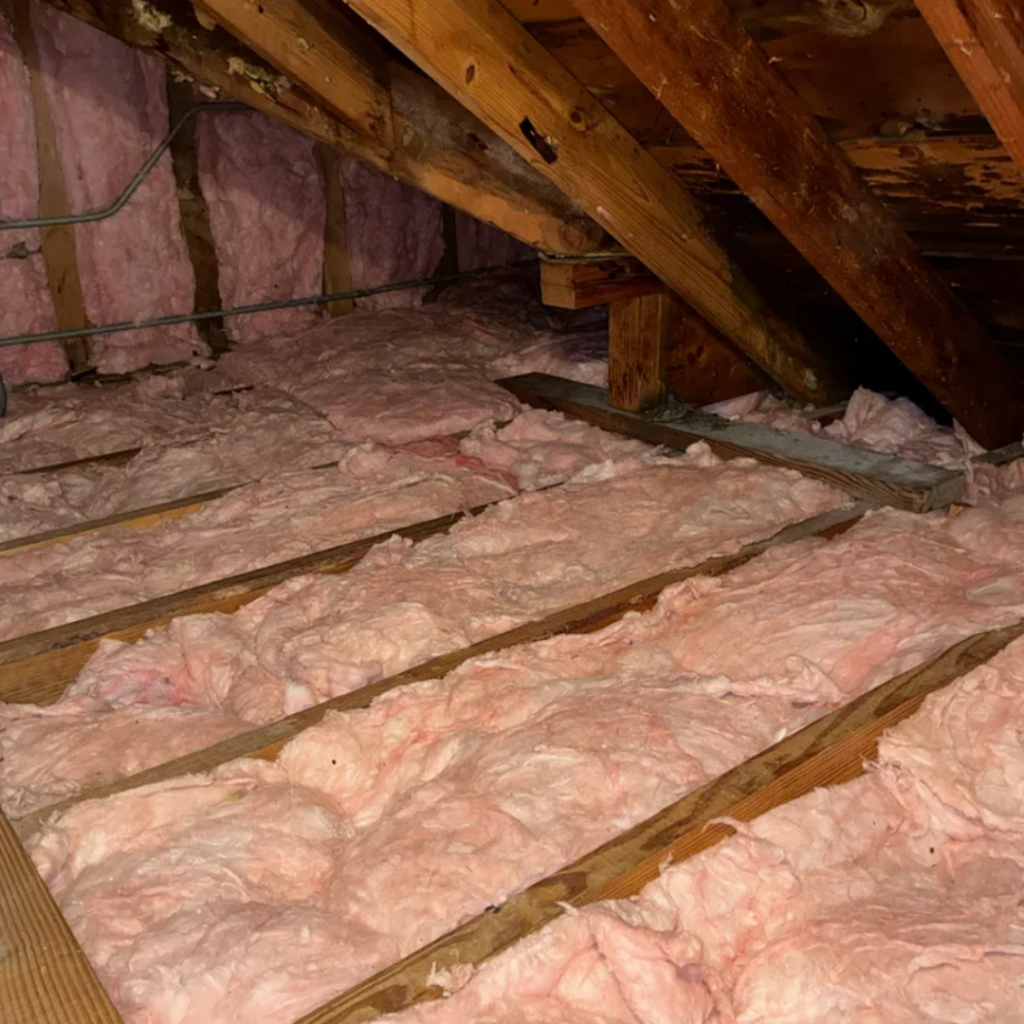
It can, especially if old or damaged insulation is present. During our evaluation, we check the condition of existing insulation as well as overall attic health. In some cases, removal and replacement makes more sense than simply adding on top of what is already there.
Ready to Find Out If Your Bedford, OH Home Needs More Insulation?
If your second floor never quite feels right no matter what you do with the thermostat, attic insulation is one of the first things worth checking. We make it easy to find out exactly where you stand. Request a free estimate and we will send someone out to take a look, measure what you have, and give you an honest recommendation. No pressure, just answers.