If you suspect mold in your air ducts, you are not alone. Homeowners often notice dark buildup inside vents, musty odors, or allergy symptoms and wonder if a professional duct cleaning will solve the problem or if something more serious is going on.
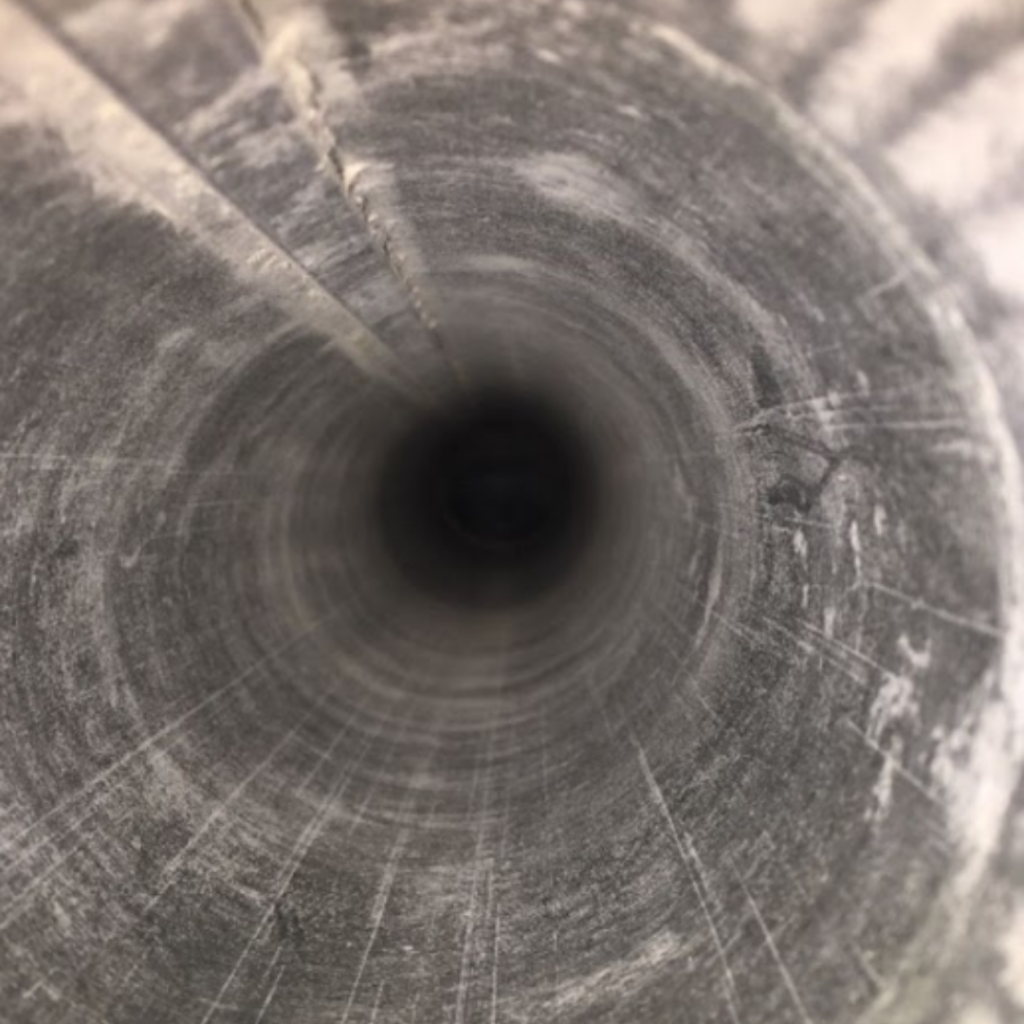
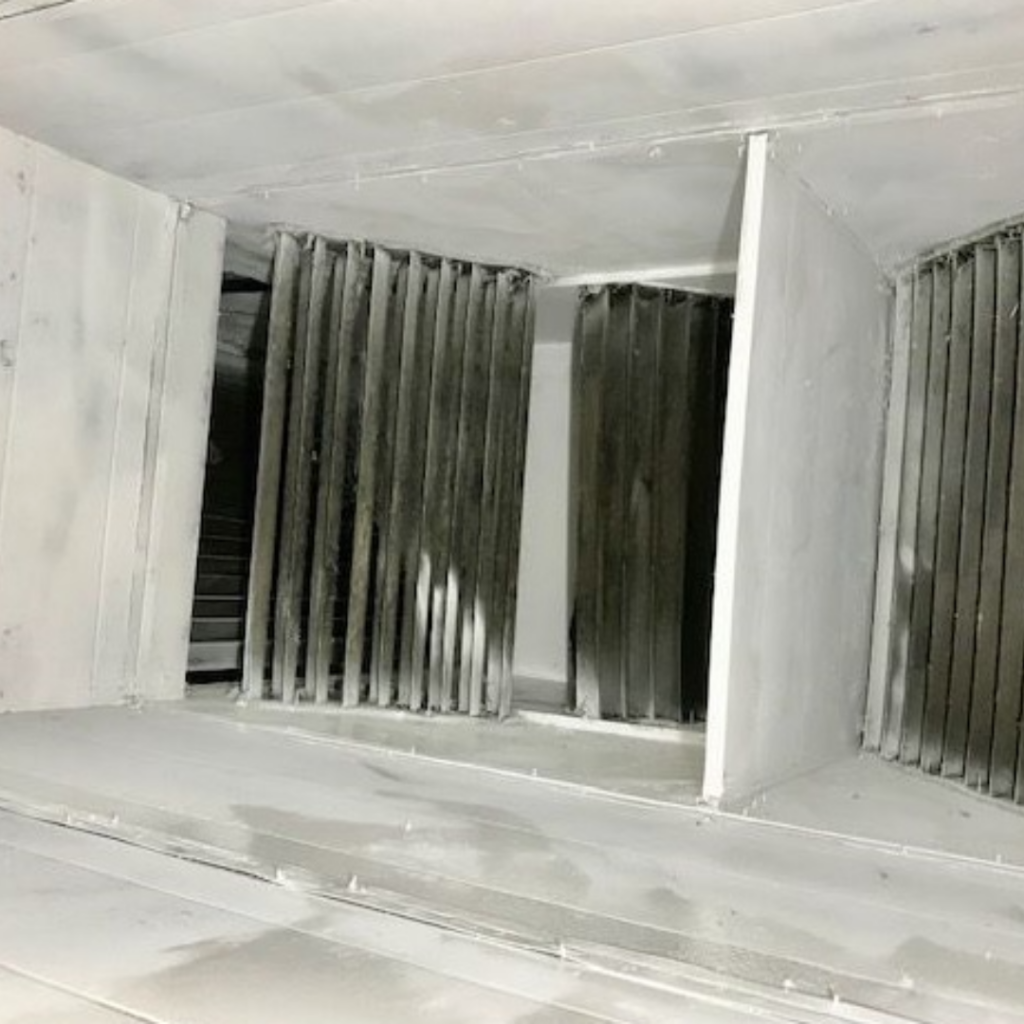
Recently, a homeowner in Delaware, OH contacted us after spotting what looked like mold inside their ductwork while taking photos during a renovation. They wanted to understand whether duct cleaning could remove it or if additional treatment was needed.
Can mold actually grow inside air ducts?
Yes, mold can grow inside HVAC systems under the right conditions. Mold needs moisture, organic material, and time. Dust, pet dander, and construction debris can provide food, while condensation, humidity, or past water issues can supply moisture. Metal ducts are less hospitable than porous materials, but mold can still grow on surface buildup or insulation inside the system.
According to the U.S. Environmental Protection Agency, mold growth in HVAC systems is most often linked to moisture problems such as leaks, condensation, or high indoor humidity. Without addressing the moisture source, mold can continue to grow regardless of how clean the ducts are.
Does air duct cleaning remove mold?
Air duct cleaning can remove loose dust, debris, and some surface-level contamination, but it is not a guaranteed solution for mold. Standard duct cleaning is designed to dislodge and extract particles using negative pressure and agitation tools. If mold is lightly present on dust or debris, cleaning may reduce it. If mold is actively growing on duct surfaces, insulation, or inside wall cavities, duct cleaning alone may not fully remove it.
This is an important distinction for homeowners. Duct cleaning is a cleaning service, not full mold remediation.
What is negative pressure duct cleaning and how does it work?
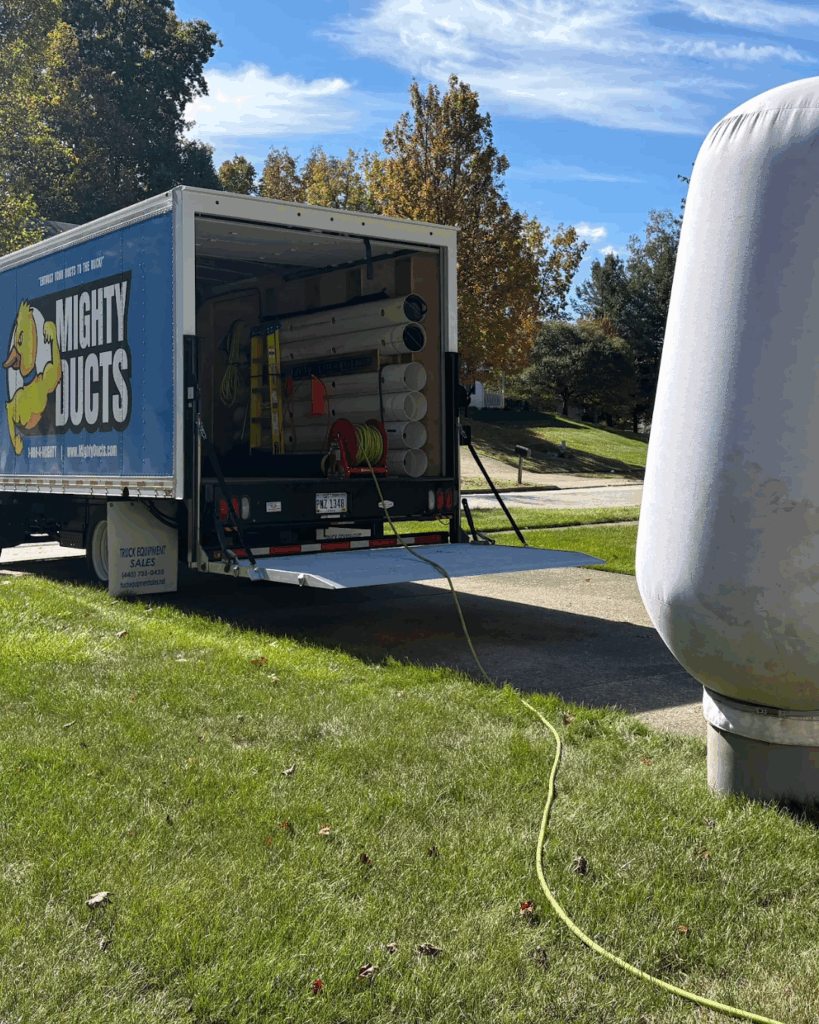
Negative pressure duct cleaning involves connecting a powerful vacuum to the HVAC system, usually near the furnace or air handler. Vents are sealed off, and compressed air tools are used to push debris toward the vacuum while it continuously pulls air out of the system. This prevents contaminants from spreading into the home during cleaning.
Negative pressure is effective for removing dust, pet hair, construction debris, and other loose material. It is less effective when contamination is firmly attached to duct surfaces or embedded in porous materials.
Can antimicrobial treatments kill mold in air ducts?
Antimicrobial treatments are designed to help reduce bacteria and inhibit microbial growth. We offer this as an optional add-on to your air duct cleaning service. However, antimicrobials are not a guaranteed mold solution. They may help with certain microorganisms, but they do not replace proper mold remediation when active mold growth is present.
The EPA notes that chemical treatments should not be relied on as the sole method for addressing mold and should only be used when appropriate and applied correctly.
How do you know if duct cleaning is not enough?
Duct cleaning may not be sufficient if mold is extensive, keeps returning, or is found on insulation, drywall, or inside wall cavities. Strong persistent odors, visible mold growth beyond surface dust, or a known history of water damage are signs that a mold remediation specialist may be needed. Addressing the moisture source is critical. Without fixing humidity, leaks, or condensation issues, mold can return even after cleaning.
What should Delaware County, OH homeowners do if they suspect mold?
Start with a professional inspection. A trained technician can evaluate whether what you are seeing is likely mold or simply dust and debris. From there, you can determine whether duct cleaning, antimicrobial treatment, moisture control, or mold remediation is the right next step.
At Mighty Ducts, we focus on thorough duct cleaning and honest guidance in Delaware County. If we see signs that point beyond standard duct cleaning, we will explain your options so you can make an informed decision about your home’s air quality.If you are concerned about mold in your HVAC system or want to know whether duct cleaning makes sense for your situation, contact us today to schedule an inspection or request an estimate.